

Thank you for Subscribing to Gov Business Review Weekly Brief

City of Denton
Ziad Kharrat, Assistant Director of Parks and Recreation
Building Bridges between Spaces and Communities
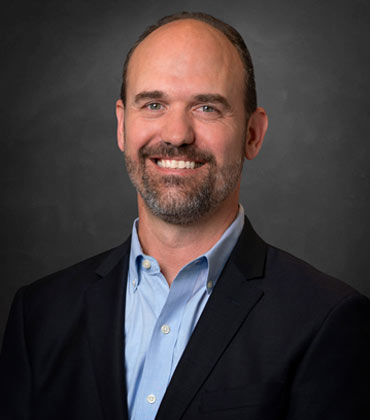
Ziad Kharrat
Experiences that Shaped my Leadership Approach
My approach is a synthesis of principles and ideals that emerged from my experience in landscape architecture and in public administration, which have taught me that physical spaces and the experiences that people have within them are only as successful as the policies supporting them. Early in my career in municipal government, I quickly learned about the criticality of public engagement and the consensus required to bring projects to life successfully. People are sensitive to changes in their communities. They cherish their public spaces, and any alterations to those spaces need to be brought out into the open for public discussion. Otherwise, city staff members will likely face significant resistance much later in the process after significant resources have already been spent. My leadership approach has evolved through the realization that the most enduring civic spaces are not just developed in isolation; they are achieved through inclusion, collaboration and empowerment. My experience has taught me that the best outcomes arise when I act as a bridge, translating technical landscape requirements into accessible community benefits. This “bridge-building” is what grounds my leadership. I prioritize inclusive engagement because, ultimately, we aren’t just managing land. We are entrusted to steward the public’s quality of life. Balancing Long-Term Community Planning with Day-to-Day Operational Demands This is one of the areas that requires viewing the two as an integrated system rather than competing priorities. If one only focuses on the day-to-day, immediate, operational “fires”, it’s easy to lose sight of the strategic vision. Conversely, if one looks solely at long-term plans, it’s easy to lose touch with the community’s current experience and immediate needs. I utilize a combination of data and intuition to anchor both. Operational demands reflect the needs of the greater system, and by analyzing maintenance trends or usage patterns, one can identify where a long-term capital improvement or policy change would meaningfully reduce day-to-day strain. I also lean heavily on empowering my teams. By decentralizing authority and ensuring that those closest to the operations have the information and the discretion to make decisions, I am freed to focus on the long-term strategic initiatives that ensure our civic spaces remain resilient, accessible and vibrant. Strategies that have Helped Build Strong Partnerships My strategy is built on trust and shared ownership. The power of the collective is greater than that of the individual. In my experience, stakeholders will support what they help create, and including stakeholders in the process reinforces their ownership and further strengthens the partnership. I prioritize early, inclusive engagement. Rather than presenting a fully baked plan, I include partners from the beginning to incorporate their needs and objectives. When one actively seeks to understand another’s operational constraints, the dynamic shifts from negotiation to collective problem-solving.You are in public service to be a steward. If you maintain an unwavering focus on equity, accessibility and service excellence, your career will naturally align with the community impact you are aiming to create.
The articles from these contributors are based on their personal expertise and viewpoints, and do not necessarily reflect the opinions of their employers or affiliated organizations.
