

Thank you for Subscribing to Gov Business Review Weekly Brief

Mohave County
Tami Ursenbach, Economic Development Director
Beyond Checking a Box: The Power of True Community Engagement
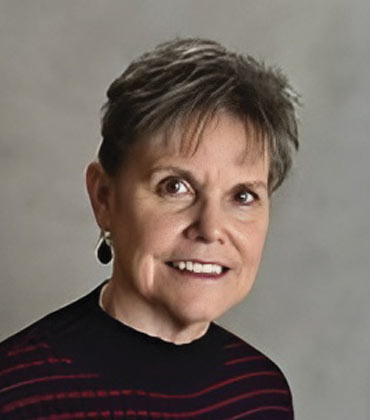
Tami Ursenbach
From Checkbox to Community
Too often, public engagement becomes a requirement to satisfy a grant application, complete a report or “check the box” on a government process. A public notice is posted, a meeting is held and the process moves forward regardless of whether the community truly felt heard. But meaningful community engagement is something entirely different. When people are genuinely invited into the decision-making process, they become invested in the future of their community. They stop waiting for change to happen and begin helping create it themselves. That lesson became incredibly clear during the development of the 2023–2027 Strategic Plan and Comprehensive Economic Development Strategy (CEDS). Rather than creating goals behind closed doors and presenting them to the public afterward, the process began with listening. Fifteen community meetings were held throughout the county, giving residents from every corner of the county an opportunity to share their concerns, hopes and ideas for the future. What happened next was inspiring. Each community was encouraged to identify its own priorities and create goals that reflected the unique needs of the people who lived there. Residents talked openly about infrastructure, parks, workforce needs, housing, tourism, safety, beautification and opportunities for future generations. But instead of simply handing those concerns to government staff and expecting someone else to solve them, communities were encouraged to come together and make a difference themselves. Before the meetings ended, committees were formed. Neighbors began working together. Community members volunteered their time, talents and resources to help move projects forward. They realized that real change does not always come from government alone — it often starts with people who care deeply about where they live. That shift in mindset was one of the most powerful outcomes of the entire process. Residents began to see that they had the ability to influence the future of their own communities. Some organized clean-up projects. Others focused on parks, trails, community events or beautification efforts. Fundraisers were held. Volunteers showed up with shovels, tools, ideas and determination. People became connected not only to the goals themselves, but also to one another. The Real Value of Listening The process also revealed something important: while every community had unique priorities, many larger concerns were shared across the region. One of the strongest themes heard repeatedly was the need for an educated workforce and more available jobs. Communities understood that economic opportunity was critical to their future, but many also recognized that workforce development was not something they could solve alone. Because those concerns surfaced consistently throughout the listening sessions, partnerships began to form. Mohave College was contacted, discussions were held and plans were developed to create new educational and workforce training programs designed to better meet the needs of local residents and employers. That is the real value of listening.When people are genuinely invited into the decisionmaking process, they become invested in the future of their community.
The articles from these contributors are based on their personal expertise and viewpoints, and do not necessarily reflect the opinions of their employers or affiliated organizations.
