

Thank you for Subscribing to Gov Business Review Weekly Brief

Montgomery County Texas
Ronda Trow, Director of Public Affairs, Commissioner Ritch Wheeler
The Power of Community Collaboration
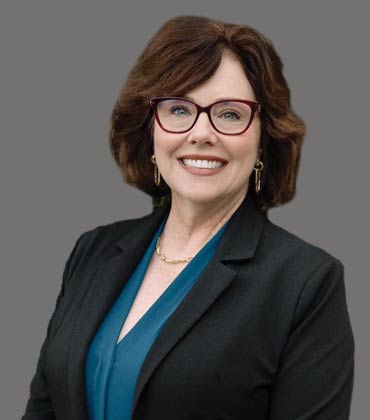
Ronda Trow
Local Government Works Best When It Does Not Work Alone.
Throughout my career in public - affairs and government relations, I have had the opportunity to work with the private sector, a regional public authority, and local government. Each experience has reinforced the same lesson: strong communities are built through strong relationships. Government, business, and community organizations may have different responsibilities, priorities, and perspectives, but they share something important: a personal stake in the communities they serve. When those groups come together with a willingness to listen, communicate, and find common ground, they can accomplish far more than they could working independently. Relationships Come First Successful partnerships do not begin when a project is announced or when a problem needs to be solved. They begin with relationships that have been built over time. That means showing up, listening, and getting to know the people who make up a community. It means understanding that a business leader may see an issue differently than a resident and that a community organization may have a perspective that government has not considered. Those differences are not obstacles. They are opportunities to better understand an issue and develop a more complete solution. In my experience, some of the most productive conversations happen when people are willing to sit at the same table, put assumptions aside, and ask, “What are we trying to accomplish, and how can we get there together?” Communication Builds Trust Communication is at the center of every successful partnership, but effective communication is about much more than delivering information. It is about listening, being accessible, and being willing to communicate when the news is good as well as when the conversation is difficult. Trust is not built through one announcement, one meeting, or one social media post. It is built through consistency and follow-through. When community stakeholders know they will be heard and that their concerns will be taken seriously, they are more likely to engage in meaningful dialogue, even when they do not agree with every decision. That trust becomes especially valuable when communities face challenges or significant growth. Everyone Has a Seat at the Table Local government has a unique responsibility, but it does not have to have every answer. Businesses bring investment, innovation, and expertise. Nonprofit and civic organizations understand the needs of the people they serve. Residents bring firsthand knowledge of their neighborhoods and a personal investment in their community’s future. When those perspectives are brought together early in the process, government leaders have a better opportunity to understand the full picture and make informed decisions. This is particularly important in growing communities. Growth creates exciting opportunities, but it also brings questions about infrastructure, transportation, public services, economic development, and quality of life.Government, business, and community organizations may have different responsibilities, priorities, and perspectives, but they share something important: a personal stake in the communities they serve.
The articles from these contributors are based on their personal expertise and viewpoints, and do not necessarily reflect the opinions of their employers or affiliated organizations.
