

Thank you for Subscribing to Gov Business Review Weekly Brief

City of Frisco
Melissa Kraft, Chief Information Officer
Strategic Planning When the Ground Is Moving
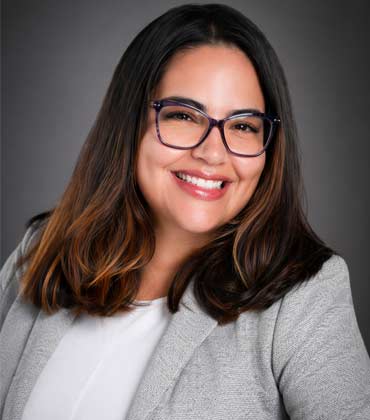
Melissa Kraft
Strategic planning has traditionally been about defining priorities, building a roadmap and executing against it over a set period of time. Over the past year, it has become clear that this approach no longer reflects reality. The environment, in which organizations operate, particularly in fast-growing communities, has shifted too quickly. Planning for the next three years now requires a fundamentally different mindset.
One of the most important changes has been a move away from planning around projects and toward planning around capabilities. Rather than asking what systems to deploy, effective strategic planning now starts with the question of what capabilities must the organization have to operate, scale and recover under changing conditions? This includes the ability to support major events without disrupting daily services, to maintain situational awareness during incidents and to make timely, data-informed decisions across departments. When strategy is built around capabilities, investments become more intentional and sequencing becomes clearer. Another critical lesson has been the need to plan for peak demand, not average conditions. Rapid growth, large-scale events and heightened public expectations expose assumptions that once went unchallenged. Strategic planning increasingly includes honest assessments of whether networks, applications and supporting infrastructure can withstand sudden surges, outages or partial failures. Disaster recovery and continuity planning are no longer separate technical exercises; they are now central to strategic conversations about service reliability and public trust. Workforce capacity has also emerged as a defining constraint. Over the past year, it has become evident that organizations cannot continue to expand responsibilities without addressing how work is sustained. Strategic planning must account for staffing realities, specialized skill requirements and the risk of burnout. This has shifted planning discussions toward clarifying ownership, investing in cross-functional skills and making deliberate decisions about scope. A strategy that does not acknowledge workforce limits is not ambitious, it is unsustainable.Alignment does not happen through documentation alone; it happens through consistent, intentional communication.
The articles from these contributors are based on their personal expertise and viewpoints, and do not necessarily reflect the opinions of their employers or affiliated organizations.
