

Thank you for Subscribing to Gov Business Review Weekly Brief

City of Columbia, Missouri
Matthew Lue, Director of Finance, City of Columbia
Making Municipal Finance Accessible
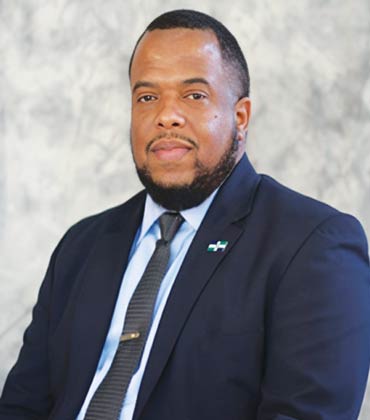
Matthew Lue
Matthew Lue is the Director of Finance for the City of Columbia, Missouri, where he oversees budgeting, investments, financial reporting and long-term fiscal planning. With leadership experience spanning healthcare and municipal finance, he has built a career focused on fiscal stewardship, transparent budgeting and community engagement. Lue also contributes to the profession through his involvement with the Government Finance Officers Association at both the national and local levels, where he helps advance knowledge sharing across the municipal finance community.
From Finance to Public Service My career in finance began at Children’s Mercy Hospital in Kansas City, Missouri, where I worked as a treasury accountant before advancing into treasury analysis. Those early years gave me a strong technical foundation in accounting, treasury operations and financial management. After earning my MBA, I was ready to pursue a leadership role that offered broader responsibility and a greater opportunity to make an impact. That opportunity came with the City of Warrensburg. I joined the organization as Finance Director at a relatively young age, stepping into a finance department of only three people. Working in a smaller municipality meant every member of the team had to contribute across multiple functions. In addition to budgeting and accounting, I gained experience in human resources, risk management and capital improvement planning. Every new responsibility expanded my understanding of how closely finance is connected to the daily operations of local government. Those experiences prepared me for my current role as Director of Finance for the City of Columbia, where I have served for the past seven years. One of the things I value most about public service is seeing how financial decisions directly affect the community. Every budget, investment and policy ultimately supports the services people rely on every day. Stewardship Beyond the Budget The annual budget may be the most visible part of municipal finance, but effective financial stewardship extends far beyond a single budgeting cycle. As the fiduciary for the city, my role is to ensure every financial decision addresses today’s priorities while preserving the flexibility to meet tomorrow’s challenges. It begins with the fundamentals of good financial stewardship. We maintain a balanced budget, oversee investments, complete annual audits and monitor the city’s financial position throughout the year so we can protect public resources and keep the city on a solid financial footing. “When people understand the process, conversations become more productive because they focus on shared priorities instead of assumptions.” Financial planning also requires close attention to the legislative environment. One area that has become increasingly important is responding to fiscal notes issued as proposed legislation moves through the Missouri General Assembly. These fiscal assessments help lawmakers understand how policy changes may affect municipalities while allowing us to anticipate potential challenges before they affect city operations. The same long-term perspective guides our investment strategy. Municipal governments operate within conservative investment standards, but careful planning still creates opportunities to improve returns while maintaining safety and liquidity. Strong financial stewardship is built on preparation. Looking beyond today’s budget allows us to respond thoughtfully to tomorrow’s opportunities while preserving the stability residents expect from their local government. Making Municipal Finance More Accessible Managing public resources also means helping people understand how those resources are used. Financial reports and budgets are publicly available, but transparency means very little if the information remains difficult to interpret. I believe people make better decisions when they understand the process behind those decisions. We introduced our budget town hall series after hearing that residents wanted more transparency around the budgeting process. Instead of simply presenting the budget, we wanted to explain why the city budgets the way it does. Each session explores topics such as fund accounting, City Council priorities and capital improvement planning, helping residents better understand the decisions behind the budget. One of the most engaging parts of the program is an interactive budget game that places participants in the role of City Council members. Residents work through real-world scenarios, weighing service levels, revenue options and spending priorities while balancing a limited budget. The game gives people a firsthand appreciation for the difficult choices that accompany every budget cycle. We have expanded those conversations through community classrooms that explore topics such as municipal bonding and credit ratings. They create a more informal setting where residents can ask questions and better understand how the city manages its finances. When people understand the process, conversations become more productive because they focus on shared priorities instead of assumptions. Leading Through Communication Public finance depends on technical expertise, but leadership depends on the ability to communicate that expertise effectively. One of the most important parts of my role is helping residents, businesses and elected officials understand the safeguards built into municipal finance. Clear explanations create informed conversations and stronger partnerships. Effective communication also requires empathy. Most requests come from people who want to improve services or address a community need. Taking the time to understand those perspectives leads to more thoughtful financial decisions. It also helps finance leaders explain the implications of different options while respecting the responsibility policymakers have to represent their communities. That commitment to education extends beyond Columbia through my work with the Government Finance Officers Association at both the national and local levels, where I regularly teach educational sessions and work with other municipalities to strengthen their understanding of the evolving public finance landscape. Preparing Municipal Finance for the Future The larger challenge facing municipal finance extends beyond technology. As experienced professionals retire, fewer people are entering public service to replace them. Preparing the next generation of finance leaders will require organizations to adapt while finding new ways to preserve institutional knowledge and maintain the level of service communities expect. Artificial intelligence can help bridge that workforce gap by organizing information, streamlining routine tasks and supporting financial analysis. That allows finance professionals to spend more time on strategic planning, community engagement and the work that still depends on human judgment. For those considering a career in finance, my advice is simple. Embrace every opportunity to learn. Experience across accounts payable, accounts receivable, treasury, budgeting and other finance functions creates a broader understanding of the profession and prepares you for future leadership opportunities. Municipal finance will continue to evolve as technology advances and communities grow, but the responsibility remains constant. Protect public resources, communicate clearly and make decisions that strengthen the community for years to come.The articles from these contributors are based on their personal expertise and viewpoints, and do not necessarily reflect the opinions of their employers or affiliated organizations.
