

Thank you for Subscribing to Gov Business Review Weekly Brief

City of Mesa
Dr. Nana K. Appiah, Director of Development Service
Urban Planning: The Intersection of Growth and Community
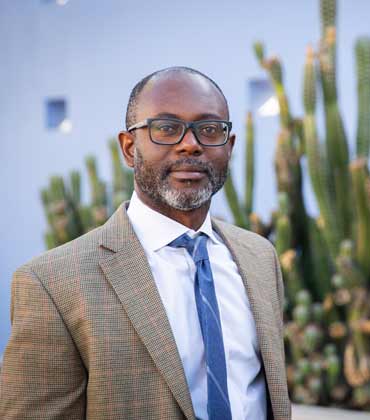
Dr. Nana K. Appiah
Dr. Nana K. Appiah brings extensive experience in public policy administration, with more than 20 years in regional and community planning across county and city governments. As Director of Development Services for the City of Mesa, he oversees a multidisciplinary team responsible for land use planning, building and construction permitting, inspections, historic preservation and archaeology.
In an interview with Government Business Review, Appiah highlighted the various disciplines within urban planning and provided insights on balancing citywide growth and community needs. Adaptive Leadership in Urban Planning Urban planning encompasses multiple disciplines. City development and land use policies require a comprehensive approach, bringing together stakeholders, disciplines, organizations and business communities. Decision-making often requires adaptable leadership. Depending on the project, the role may involve gathering information, facilitating discussions among stakeholders or providing information. This has shaped my approach to decision-making, allowing me to apply objective reasoning and situational leadership while adapting strategy as needed. To manage complex projects, I adopt a rational approach to decision-making by gathering information, weighing alternatives, and discussing them with the relevant stakeholders. Each project involves different stakeholders, making an objective framework essential for aligning perspectives. Navigating Financial Interests and Sustainable Growth The goal of city development is to support economic growth while creating places where people can live and thrive. However, the interests of residents don’t always align with those of the business community, where profit margins take priority. While sustainable development supports long-term economic growth, it often requires upfront investment that investors may not initially account for in their decisions. At the same time, cities must also address the immediate priorities of businesses and community groups. Balancing these interests remains one of the biggest challenges in urban planning. For instance, the City’s 2024 General Plan update for the next decade involved extensive engagement with multiple stakeholders, including brokers and the community. The oneand-a-half-year process was very informative, showing that while residents wanted to participate, the right strategy and timing were critical for meaningful engagement.To manage complex projects, I adopt a rational approach to decision-making by gathering information, weighing alternatives, and discussing them with the relevant stakeholders.
The articles from these contributors are based on their personal expertise and viewpoints, and do not necessarily reflect the opinions of their employers or affiliated organizations.
