

Thank you for Subscribing to Gov Business Review Weekly Brief

Placer County
Cristina Rivera, Chief of Staff
Leading Through Trust and Relationships
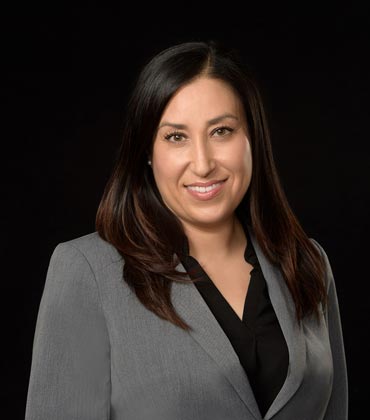
Cristina Rivera
Cristina Rivera serves as Chief of Staff to the Third District Supervisor at Placer County. With a career spanning political consulting, local and state government, regulatory agencies and the private sector, she brings extensive experience in public policy and government operations. She is driven by the conviction that effective public service is centered on transparency, accessibility and a commitment to helping communities thrive.
A Career Shaped by Public Service Rivera began her career in the private sector, spending nearly a decade in political consulting, where she managed campaigns and worked closely with local and state elected officials, donors and community stakeholders. That experience exposed her to the realities of politics early in her career and the importance of relationships across different levels of government. After starting a family, Rivera sought a role that offered greater stability and allowed her to pursue her longstanding interest in government. Having studied Political Science at UC Davis, public service had always appealed to her. The opportunity arrived when she joined Placer County as District Director, serving as the sole staff member to the first district supervisor for five and a half years. Rivera immersed herself in county government, building relationships with department heads, stakeholders, elected officials and employees across the organization. Her position concluded when the supervisor lost reelection, but the relationships she established proved invaluable. During the six years she was away from Placer County, Rivera broadened her experience across several state agencies. She briefly served as a Legislative Aide to a State Senator before joining the California Public Utilities Commission as a Program Analyst. She was entrusted with responsibilities beyond her classification, gaining experience in energy, water and other policy issues. While she learned a great deal, she realized the role was not aligned with her long-term career goals. She joined the Department of Consumer Affairs’ Board of Psychology as a Legislative and Regulatory Analyst. Although the role was a better fit, state-implemented pay cuts led her to seek new opportunities. Having earned her Master’s degree in Public Administration during her first tenure at Placer County, Rivera concluded that local government was where she could truly get things done and see them through. “Transparency builds credibility because people know they are receiving an honest assessment.” Before returning to the local government, she rejoined the private sector as Director of Operations for a political consulting firm, managing staff and ensuring successful client campaigns. A brief return to the Public Utilities Commission as a Local Government Liaison again confirmed it was not the right fit. Rivera’s opportunity to return to Placer County came when the newly elected Third District County Supervisor invited her to serve as Chief of Staff. Although the election cycle and vote count took longer than anticipated, she was finally able to return to the place where she has enjoyed working the most. The relationships she built during her first tenure proved instrumental. Already familiar with the department heads, stakeholders and county staff, Rivera enabled the new supervisor to “hit the ground running,” allowing the office to begin working effectively from day one.
Rivera seized every opportunity to rebuild communication and strengthen trust across the organization. She proactively visited elected officials, their staff, department heads, former colleagues and employees throughout county government. This helped her bridge communication gaps and rebuild trust across the organization.
Understanding the Political Nature for Effective Public Leadership
Rivera emphasizes that understanding the political nature of government distinguishes an exceptional chief of staff from an effective administrator. Regardless of how people characterize public administration, elected officials operate within political environments that require careful navigation. A chief of staff must understand the dynamics within the Board of Supervisors, local electeds, countywide elected officials and numerous external stakeholders.
Many of the most important accomplishments of a chief of staff occur behind the scenes. Rivera has never viewed leadership as requiring public recognition or personal accolades. Instead, she focuses on quietly making the phone calls, facilitating conversations and removing barriers that allow projects and initiatives to move forward.
The accomplishment itself is the reward. Getting something done matters far more than receiving credit for making it happen. That philosophy is central to how she approaches collaboration across Placer County’s government.
Throughout her career, Rivera has regularly checked in with colleagues, department leaders, elected officials and community partners simply to ask how things are going. Those conversations help build trust long before difficult issues arise. Her message is straightforward: the office is there to help. She acknowledges that differences of opinion are inevitable and that agreement on every issue is unrealistic. Nevertheless, she emphasizes that everyone shares the responsibility of serving the public and working together toward common goals.
Equally important is the ability to have difficult conversations. Not every request can be accommodated. Whether discussions involve funding priorities, competing initiatives or policy limitations, leaders must sometimes deliver answers people do not want to hear. Rivera believes those conversations should be handled with open, honest communication, irrespective of whether the news is positive or difficult. Transparency builds credibility because people know they are receiving an honest assessment.
The relationships she built during her first tenure proved instrumental. Already familiar with the department heads, stakeholders and county staff, Rivera enabled the new supervisor to “hit the ground running,” allowing the office to begin working effectively from day one.
Rivera seized every opportunity to rebuild communication and strengthen trust across the organization. She proactively visited elected officials, their staff, department heads, former colleagues and employees throughout county government. This helped her bridge communication gaps and rebuild trust across the organization.
Understanding the Political Nature for Effective Public Leadership
Rivera emphasizes that understanding the political nature of government distinguishes an exceptional chief of staff from an effective administrator. Regardless of how people characterize public administration, elected officials operate within political environments that require careful navigation. A chief of staff must understand the dynamics within the Board of Supervisors, local electeds, countywide elected officials and numerous external stakeholders.
Many of the most important accomplishments of a chief of staff occur behind the scenes. Rivera has never viewed leadership as requiring public recognition or personal accolades. Instead, she focuses on quietly making the phone calls, facilitating conversations and removing barriers that allow projects and initiatives to move forward.
The accomplishment itself is the reward. Getting something done matters far more than receiving credit for making it happen. That philosophy is central to how she approaches collaboration across Placer County’s government.
Throughout her career, Rivera has regularly checked in with colleagues, department leaders, elected officials and community partners simply to ask how things are going. Those conversations help build trust long before difficult issues arise. Her message is straightforward: the office is there to help. She acknowledges that differences of opinion are inevitable and that agreement on every issue is unrealistic. Nevertheless, she emphasizes that everyone shares the responsibility of serving the public and working together toward common goals.
Equally important is the ability to have difficult conversations. Not every request can be accommodated. Whether discussions involve funding priorities, competing initiatives or policy limitations, leaders must sometimes deliver answers people do not want to hear. Rivera believes those conversations should be handled with open, honest communication, irrespective of whether the news is positive or difficult. Transparency builds credibility because people know they are receiving an honest assessment.
Who receives recognition is far less important than ensuring the work is completed.
The articles from these contributors are based on their personal expertise and viewpoints, and do not necessarily reflect the opinions of their employers or affiliated organizations.
