

Thank you for Subscribing to Gov Business Review Weekly Brief

City of Greenville, South Carolina
Brandon M., Deputy City Manager, City of Greenville
Building a City that Endures
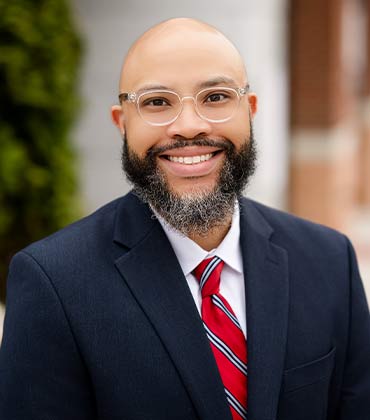
Brandon M.
Brandon M. brings a service-driven approach to municipal leadership, grounded in a commitment to public trust, operational excellence and community impact. As Deputy City Manager for the City of Greenville, South Carolina, he helps oversee the day-to-day functions of city government while supporting strategic decision-making across critical areas. Working across departments and community stakeholders, he helps translate long-term priorities into practical outcomes that strengthen the city and the services residents depend on every day.
Growth Guided by Purpose Greenville continues to grow. That growth is exciting and creates opportunities. Yet I do not believe growth by itself is a measure of success. The questions that matter are different. Are we building a city that works for everyone? Are we investing in infrastructure and institutions that will endure? Are we making decisions that future generations will appreciate rather than inherit as burdens? These questions shape how I approach public service. My job is not to be in charge, but to take care of the people in my charge. When leaders focus on helping others succeed, stronger outcomes tend to follow. A Deputy City Manager serves as the operational anchor of local government, translating executive vision into daily execution. While a City Manager establishes overarching policy direction alongside elected officials, the Deputy City Manager functions as the Chief Operating Officer, executing administrative strategies, managing large-scale portfolios, and maintaining cross-departmental alignment. Serving as Deputy City Manager for the City of Greenville is both a privilege and a responsibility. My role is to ensure the city functions effectively for the people who live here, work here and build their lives here. I support our City Manager and stand ready to serve in their absence whenever needed. The role extends across much of the city government. I oversee areas that include public works, capital project delivery, transit and federal and state legislative initiatives. I also serve as the City’s lead with our Convention Center. Shaping Communities for Generations One of the largest undertakings I have been involved with is Greenville’s Public Safety and Municipal Government Complex. Several departments were operating from aging facilities while other functions were spread across multiple locations, creating challenges for employees and residents alike. We acquired a 126,000-square-foot commercial building and transformed it into a modern municipal campus housing police service, fire administration, municipal court operations, permitting functions, a real-time Traffic Management Center and additional departments. The campus improves service, strengthens coordination and expands community access. The same perspective guided my contributions to several components of the City’s award-winning Unity Park, including the Reedy River Wetlands Preserve, Mayberry Park, and the Honor Tower. Once divided into segregated parks, this land is now a profound symbol of unity and healing, honoring our history while providing widespread access to recreational amenities and community gathering spaces. I have also been privileged to contribute to the expansion of the Swamp Rabbit Trail. The trail has become one of the country’s most celebrated active transportation corridors, connecting neighborhoods while attracting visitors and residents who value quality of life. The Discipline of Proactive Governance Strong communities are not built solely through capital investments. They also require the willingness to address challenges honestly and make improvements when circumstances change. That belief shaped Greenville’s Downtown Public Safety Initiative. Downtown Greenville is already one of the safest and most vibrant areas in the region. Yet exceptional organizations do not wait for problems to become crises before they act. We saw emerging trends, listened to our community and responded with a proactive, comprehensive strategy.My job is not to be in charge, but to take care of the people in my charge.
The articles from these contributors are based on their personal expertise and viewpoints, and do not necessarily reflect the opinions of their employers or affiliated organizations.
