

Thank you for Subscribing to Gov Business Review Weekly Brief

City of Seguin
Alora Wachholz, Director of Economic Development and Executive Director of SEDC
Building Communities before Building Economies
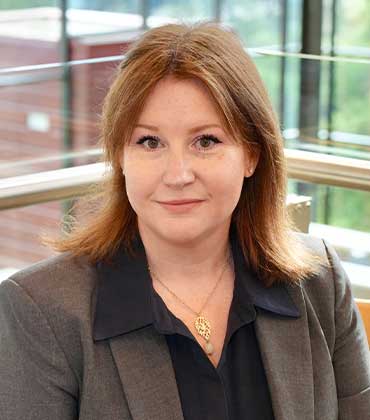
Alora Wachholz
Alora Wachholz serves as Director of Economic Development and Executive Director of the SEDC, where a deep commitment to public service guides her leadership. Shaped by her upbringing in a small town and firsthand experience with economic hardship, she believes economic development is ultimately about improving lives. By championing quality jobs, educational opportunities and businesses that value people, she works to strengthen families, build resilient communities and create lasting economic opportunities that benefit both individuals and the region.
Growth That Belongs: Matching Opportunity to Community I’ve never believed that every business investment or development project belongs in every community and that’s okay. Every community is shaped by its own people, history, heritage and culture. Those qualities aren’t cookie-cutter and development shouldn’t be either. Growth comes to communities because of what makes them unique and the goal is to ensure that growth strengthens, rather than changes, that identity. Every community is also at a different stage of its growth, with its own goals and priorities. I’ve learned it’s important to consider that, lean into it and be proud of where that community is. Whether the focus is creating primary wage jobs, enhancing quality of life or preparing for the next phase of development, growth should match the community’s needs at that time. Putting people first and respecting where a community is in its market cycle is what makes development successful. Good public administration means the community guides the discussion, while we serve as conduits to help create successful futures that reflect who they are and where they are. When development is guided by those principles rather than trying to force a square peg into a round hole, it creates the kind of long-term community investment that endures. Beyond Investment: Creating Lasting Community Impact One of the moments that continues to stay with me is our work to help bring a Texas State Technical College (TSTC) campus to Seguin. It wasn’t simply about attracting a major investment; It was about creating greater access to quality, skilled education for manufacturing and industry and an investment in the future of our workforce and our region. Finding the right property was part of that journey, but what made it truly memorable was sitting down with the family who had owned the land for generations. The conversation quickly became much bigger than a piece of property. It became about the legacy this campus would leave for the family, TSTC, the City of Seguin and future generations.Putting people first and respecting where a community is in its market cycle is what makes development successful.
The articles from these contributors are based on their personal expertise and viewpoints, and do not necessarily reflect the opinions of their employers or affiliated organizations.
