

Thank you for Subscribing to Gov Business Review Weekly Brief

Kalamazoo County Government
Dr. Kevin Catlin, County Administrator & Controller
Strategy and Trust In Modern County Governance
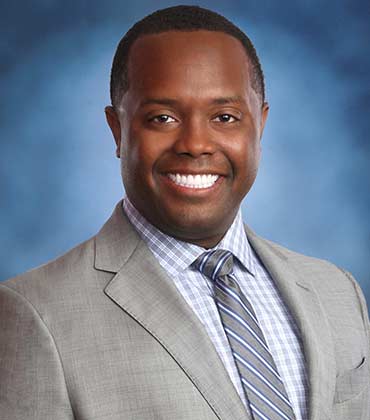
Dr. Kevin Catlin
Dr. Kevin A. Catlin is the County Administrator and Controller for Kalamazoo County, with deep experience in municipal governance, fiscal oversight, and technology leadership. Previously, he served as City Manager of Springfield, Assistant City Manager and IT Director in Brookings, and a Management Analyst and ICMA Fellow in Tulsa.
In an exclusive conversation with Government Business Review, Dr. Catlin shared insights into how his leadership philosophy was shaped, how counties can align strategy with fiscal discipline, and what the future demands of public sector leadership will look like. Leadership Shaped by Complexity and Accountability My leadership philosophy was shaped early in environments where complexity, urgency, and public accountability all collided. I began my career working across budgeting, labor relations, emergency management, and technology, which quickly taught me that government does not operate in neat lanes. Decisions in one area almost always affect another, and at the county level, those ripple effects are impossible to ignore. One of the most formative periods of my career came when I served simultaneously as a city manager and as an assistant director within a county sheriff’s office emergency management division. Holding both roles at once reinforced the truth that leadership cannot be compartmentalized. Effective governance depends on operational fluency, trust across disciplines, and the ability to make sound decisions under pressure. Emergency management, in particular, demands calm judgment and coordination when stakes are high. That perspective was further sharpened through my work with the U.S. Department of Homeland Security’s State, Local, Tribal and Territorial Government Coordinating Council. Bringing a local government lens to national discussions deepened my understanding of resilience, infrastructure protection, and the importance of coordination across all levels of government. Together, these experiences shaped a leadership approach grounded in stewardship, adaptability, and accountability principles that continue to guide how I lead Kalamazoo County. Aligning Strategy, Budget, and Performance Balancing long-term strategy with rigorous fiscal oversight is often described as a fine art. In practice, it begins by treating the budget as a strategic document, not simply a financial one.When residents understand not only what decisions are made but why, confidence in government strengthens even when those choices are difficult.
The articles from these contributors are based on their personal expertise and viewpoints, and do not necessarily reflect the opinions of their employers or affiliated organizations.
